
Embracing human diversity in bat conservation
Our Director of Communications and Fundraising, Joe Nunez-Mino, reflects on the importance of human diversity in bat conservation.

Diversity is a word that is often used but widely misunderstood, there are many definitions available but my favourite is by Maya Angelou who said, “We all should know that diversity makes for a rich tapestry, and we must understand that all the threads of the tapestry are equal in value no matter what their colour”. I like this definition because it could apply to the diversity of life as much to the diversity of people. You can replace the word “colour” with species, race, religion, gender, sexuality, ability, nationality, age or any other identifier.
Sadly, the value of diversity that for me is so eloquently reflected in Maya Angelou’s words has been increasingly eroded both across ecosystems and human society. As a 58-year-old gay man, an ecologist and a second-generation migrant I have witnessed the devaluing of diversity along with a rise in prejudice. My most recent experience was while out shopping in a supermarket a few weeks ago, where a stranger felt the need to hurl abuse at me.
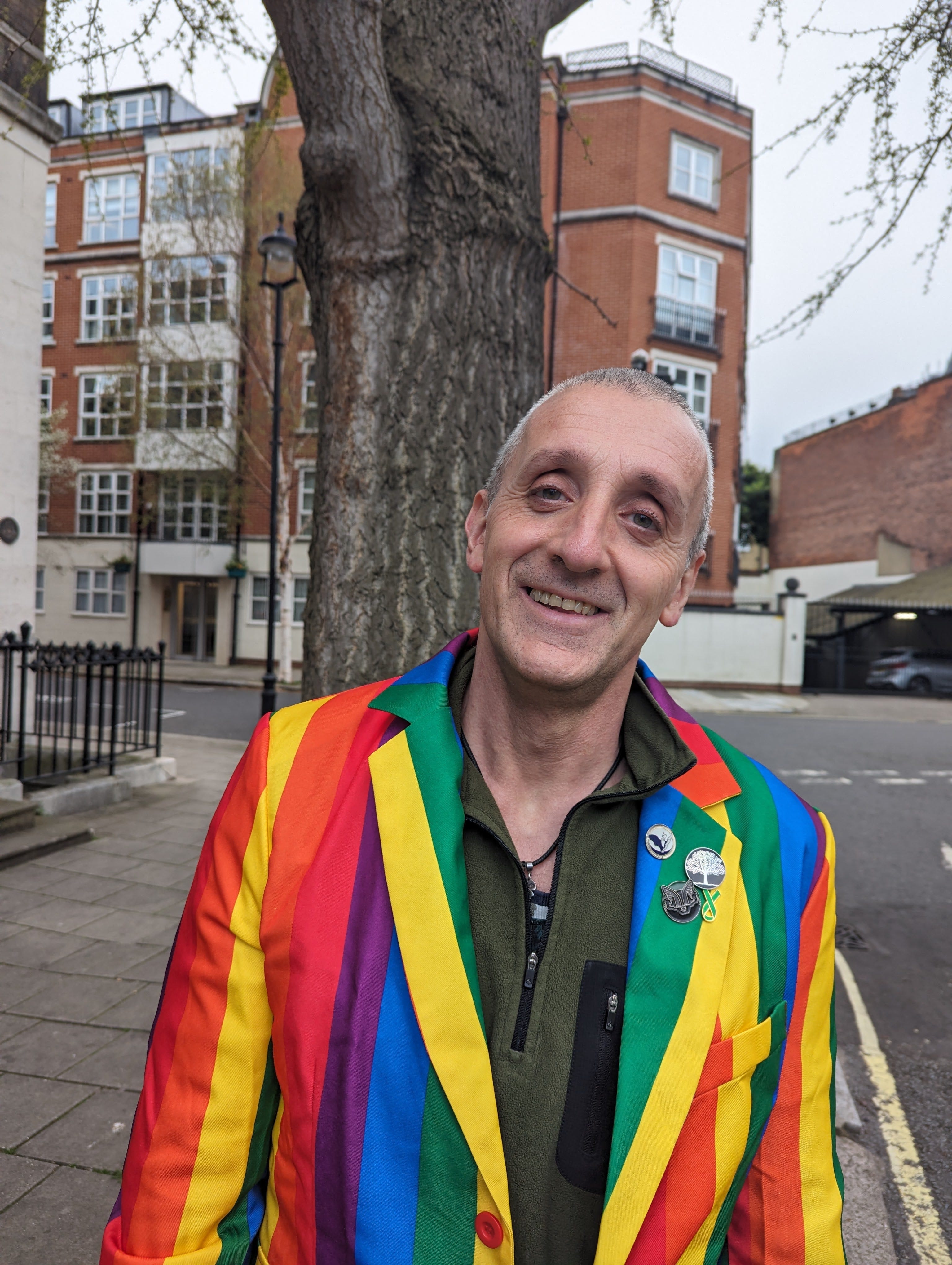
I have chosen to write this piece to mark Pride month but I did leave it until the end of the month before finally writing it. My hesitation comes from the knowledge that some people, just like that stranger, will feel the need to try to insult and demean me for it. Over the years, I have become hardened to those attacks and have a better understanding of why speaking up is so important. A young ecologist recently described me as a “pioneer in the ecology LGBTQ+ space” and I was slightly jarred by it because I have never thought of myself in that way. However, having reflected on it and discussed it with friends and colleagues, it is true to say that over the last 15 years or so I have tried to speak up on the topic of inclusivity whenever the opportunity has arisen. I will share some links to things I have written in the past at the bottom of this blog. I hope that by speaking out it has opened the door to possibility not just for other members of the LGBTQ+ community but for others too. Inclusivity is about everyone; the door to taking part in bat conservation needs to be open to all.
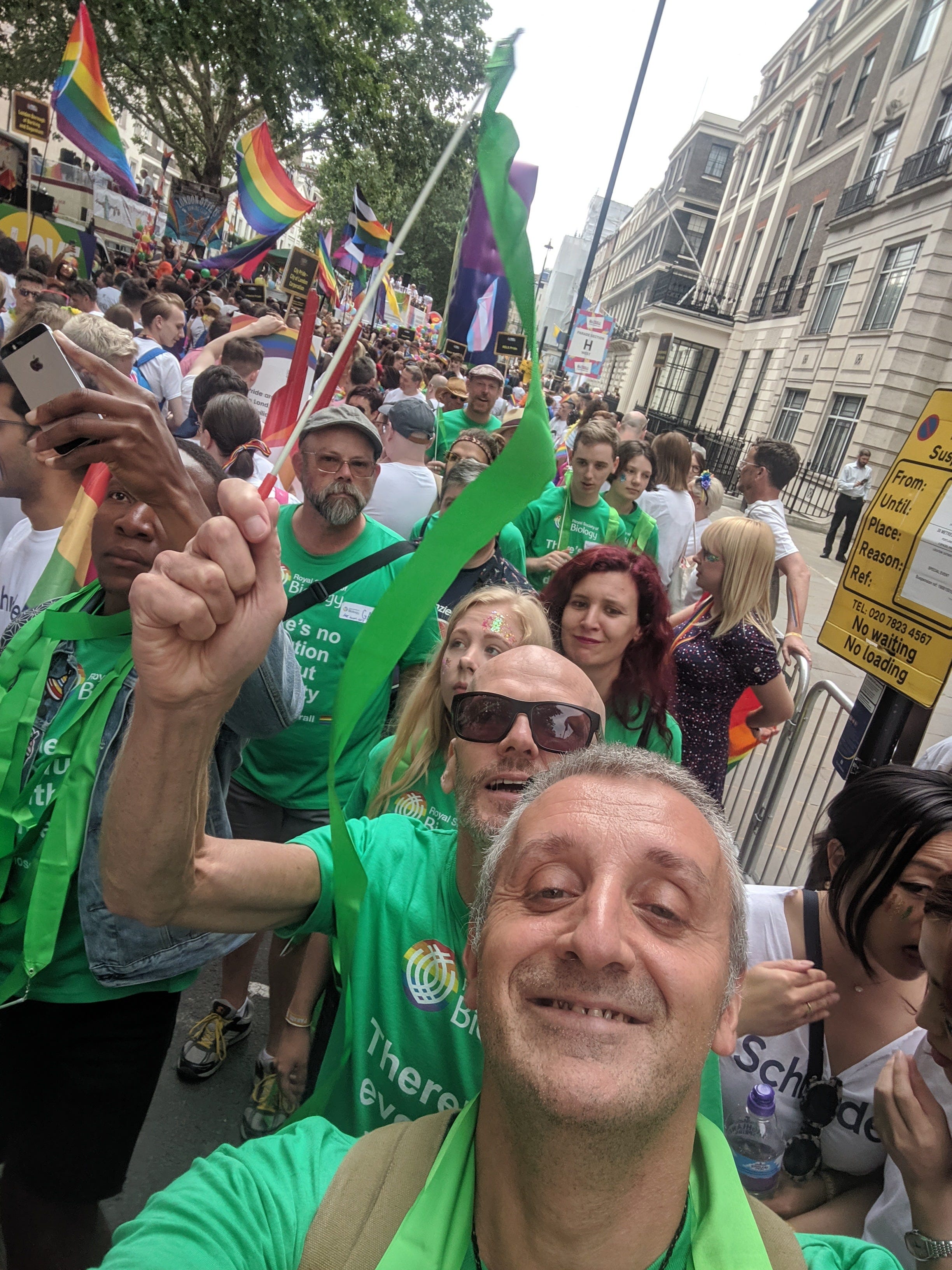
The question many will ask is what does this have to do with bats and bat conservation? I could be crude and quote the line in by Brian Vesey-Fitzgerald’s “British Bats” written in 1949 where he states that: “Homosexuality is common in the spring in all species, and, since the males are in full possession of their powers, I suspect throughout the summer...I have even seen homosexuality between Natterer’s and Daubenton’s bats (Myotis nattereri and M. daubentonii).” But that is not what this is about, it matters because we want everyone to have the opportunity to get involved in bat conservation and to do so without having to hide any part of themselves. There is plenty of evidence to indicate that when people can be fully themselves, they bring more energy, ideas, and opinions that helps to enrich how we approach conservation.
Shame and fear are things that prevent many people from being open about aspects of who they are or how they identify which can lead to people excluding themselves from getting involved in conservation. Covering aspects of who you are can be exhausting and demoralising, I know because I have experience of it. For significant parts of my career, mainly while working abroad, I felt the need to hide my sexuality due to both perceived and real dangers, particularly while working in places where prejudice was embedded in legal systems and society. As a community of bat conservationists we should be working to be as inclusive as possible and removing those barriers is vital because it ultimately benefits us all. Being open about your identity, thoughts and feelings brings the added benefit of improving wellbeing too.
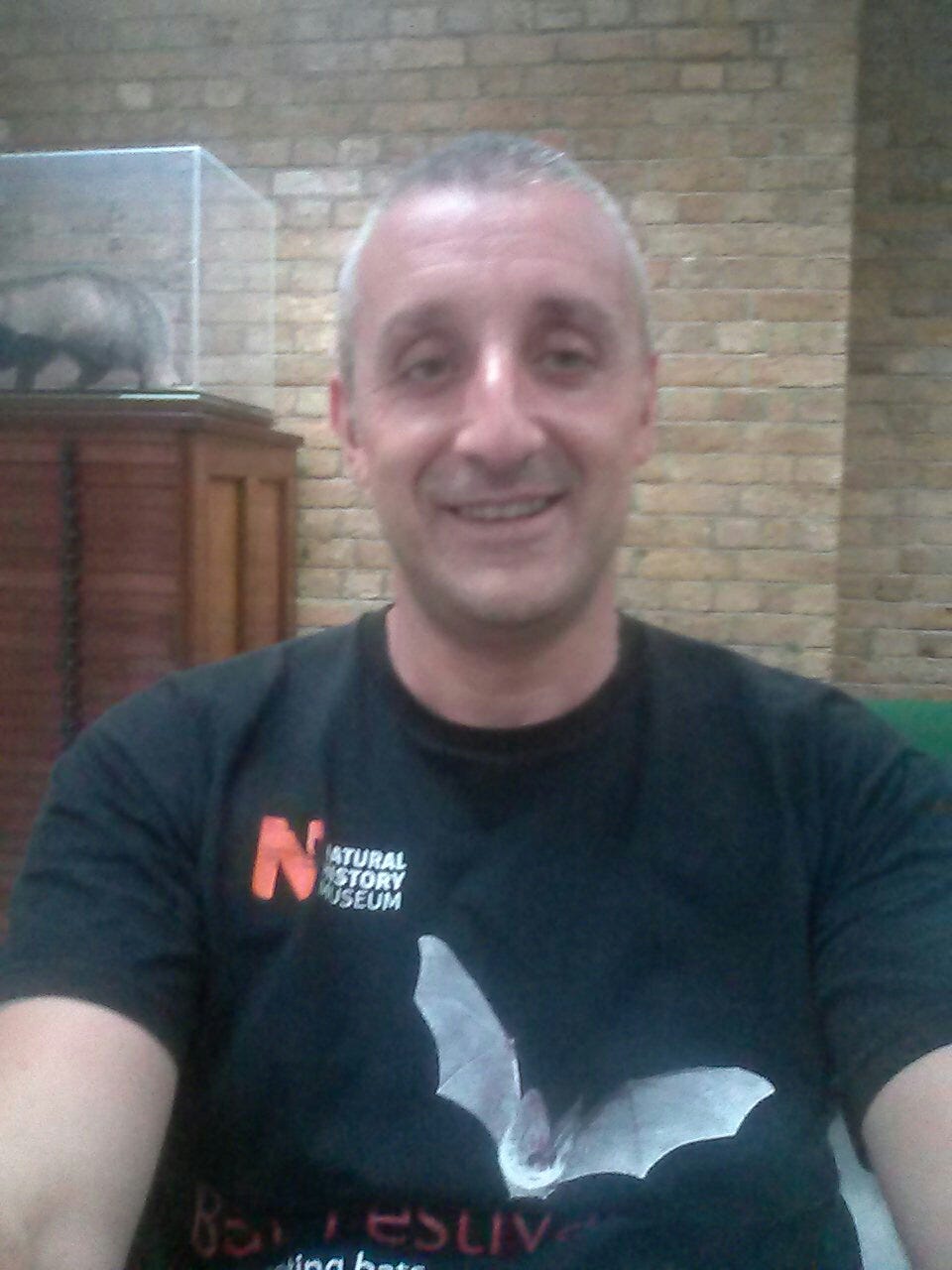
So here are four simple steps that anyone can take to being more inclusive:
Never assume someone’s gender, sexuality, or family structure based on their appearance.
Don’t default to thinking everyone is heterosexual. For example, use the term partner rather than presuming the gender of someone’s significant other.
Don’t assume that someone who has shared their identity wants to talk about their sexuality or gender and don’t presume they speak for the whole LGBTQ+ community.
Respect people’s pronouns.
A culture of mutual respect is one that we champion at Bat Conservation Trust. We want everyone to feel welcomed and reject any form of exclusion and discrimination not just based on sexuality but also age, gender, physical/mental ability, nationality, race or any other characteristics. There is a role for everyone in bat conservation.
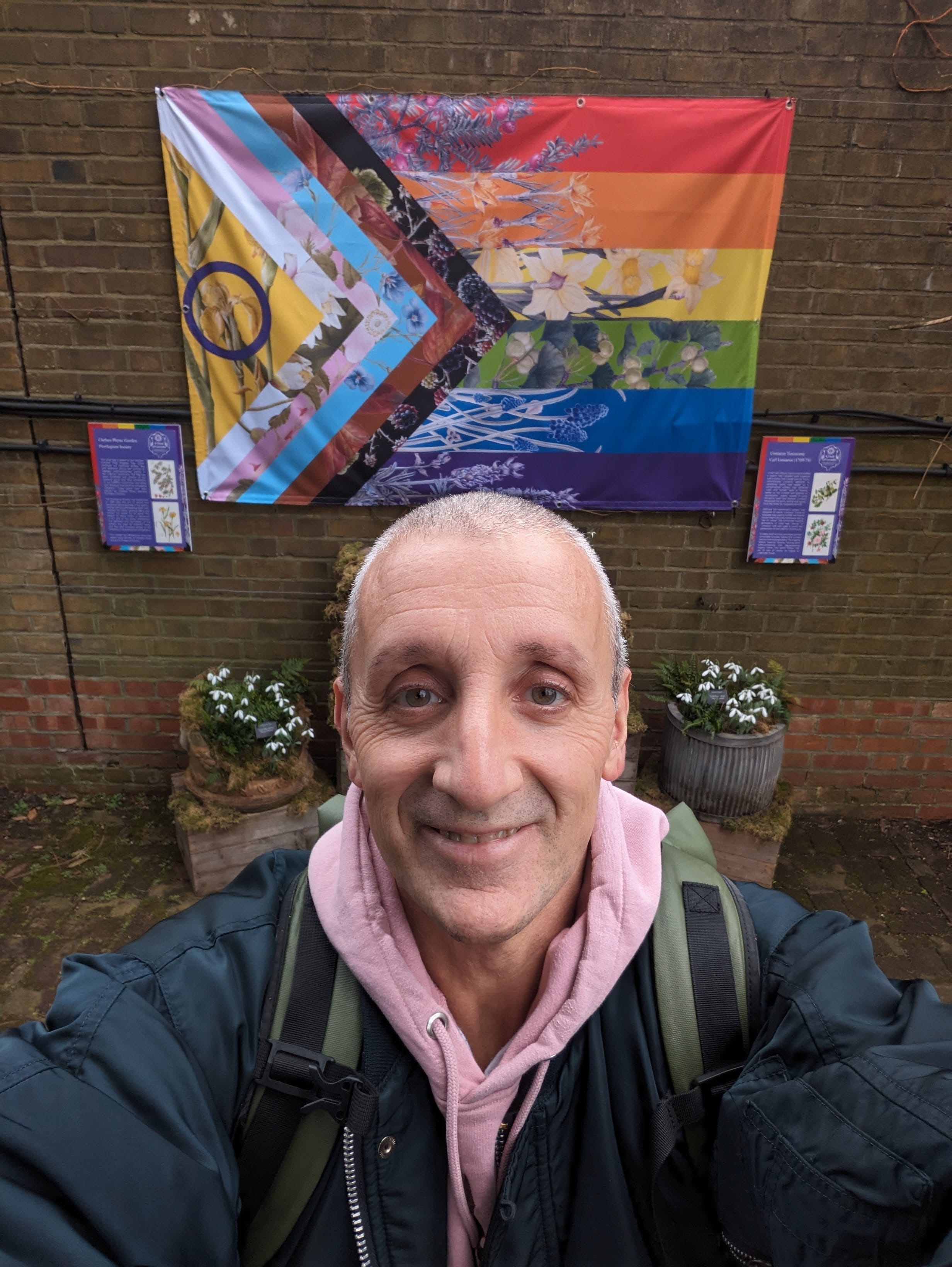
One of our bat conservation challenges on the communication front is that bats are often lumped together disregarding the uniqueness of each of our 18 resident bat species. We want to embrace and celebrate the uniqueness of the species we are working to protect but also want to acknowledge the uniqueness of everyone involved in their conservation.
Explore other articles I wrote here:
An Interview with Joe Nunez-Mino (2017)
Strength in Diversity – Dr Joe Nunez-Mino (2019)
Thank you for the work you do even in the face of fear and hatred. Bats and wildlife conservation in general needs every voice it can get.
Sending love and good juju from a fellow conservationist in Maine.🙏
Society needs more patience and kindness, that would be a good start. I volunteer for BCT and I think the work you do to help precious bats and their ecosystems is wonderful. Thank you for your hard work 🙏🦇🌈